Table of Contents
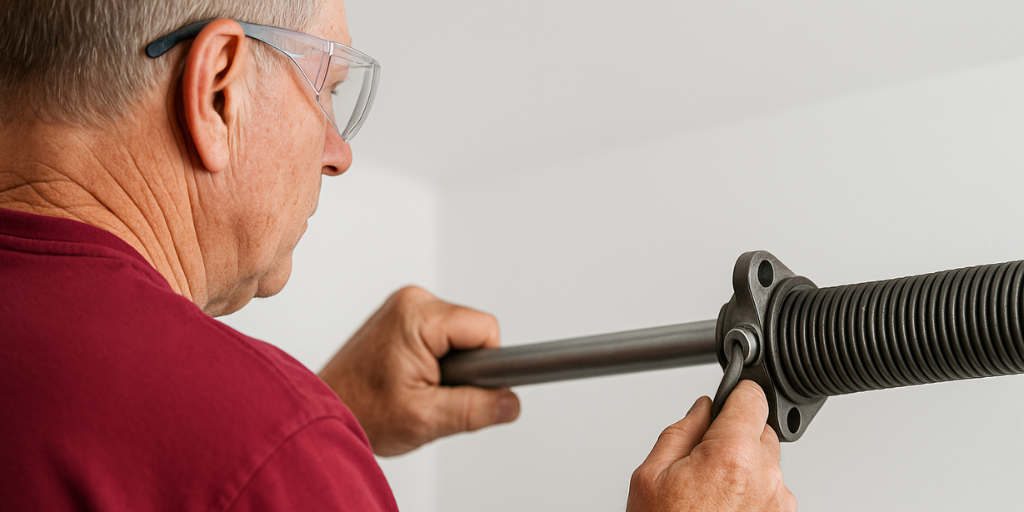
ToggleGarage door torsion springs are a vital part of your garage door system, and understanding how they work can save you time and money. These springs help lift the heavy door and keep it balanced, making your life easier every time you open or close it. In this article, we’ll break down what garage door torsion springs are, how they function, and why they are often preferred over other types of springs for garage doors.
Okay, so you’ve got a garage door, and it probably goes up and down, right? But have you ever stopped to think about what makes that heavy thing move so smoothly? Well, a big part of the answer is the torsion spring. It’s basically a tightly wound coil of high-tensile steel wire that stores mechanical energy. These springs are designed to counterbalance the weight of your garage door, making it easier to open and close, whether you’re using a garage door opener or doing it manually. Without them, lifting your garage door would be a serious workout!
Torsion springs work by using torque. When the garage door is closed, the spring is tightly wound, storing energy. As the door opens, the spring unwinds, releasing that stored energy to help lift the door. It’s a pretty neat system. The amount of tension in the spring is carefully calibrated to match the weight of the door. This ensures smooth and controlled movement. Think of it like a see-saw, where the spring balances the weight of the door. The garage door torsion spring tightens when the door is closed, and unwinds on opening.
Why use torsion springs instead of other types of springs? Well, there are a few good reasons:
Using torsion springs can also reduce future repair costs. They exert a more uniform force to control the door making for a quicker, smoother open/close cycle with less stress on the garage opener. When you minimize stress on a garage system, you generally reduce future repair costs.
Here’s a quick comparison:
| Feature | Torsion Springs | Extension Springs |
| Lifespan | Longer | Shorter |
| Safety | Higher | Lower |
| Smoothness | Better | Not as good |
| Stress on Opener | Less | More |
Garage door torsion springs are a critical part of your garage door’s operation. They’re essentially tightly wound metal coils that store mechanical energy, which helps lift and lower the heavy door. Think of them as the muscles that do the heavy lifting, so your garage door can move smoothly. These springs are designed to provide a counterbalance to the door’s weight, making it easier to open and close, whether manually or with a garage door opener.
Cable drums and bearing plates are essential components that work alongside the torsion springs. Cable drums, usually made of plastic or metal, are located at the ends of the torsion shaft. These drums have grooves where the garage door cables wind and unwind. As the torsion spring twists, it rotates the shaft, causing the cable drums to turn. This action either lifts the door by winding the cables or lowers it by unwinding them. Bearing plates, on the other hand, provide support and stability to the torsion spring system, ensuring smooth and controlled movement.
The torsion shaft is a metal bar that runs horizontally above the garage door opening. It’s the central axis around which the torsion springs rotate. The springs are mounted onto this shaft and secured with set screws. When the door is closed, the springs are tightly wound, storing energy. When the door opens, the springs unwind, releasing this energy and turning the shaft. This rotation transfers power to the cable drums, which then lift the door. The torsion shaft ensures that the force from the springs is evenly distributed, providing balanced and reliable operation.
The torsion shaft is the backbone of the entire system. Without it, the springs would have nothing to rotate around, and the cable drums wouldn’t be able to lift the door. It’s a simple but crucial piece of the puzzle.
Here’s a quick rundown of the components:
Garage door torsion springs operate using the principle of torsion, which is essentially twisting. These springs are tightly wound coils of steel that store mechanical energy when twisted. When your garage door is closed, the torsion spring is under maximum tension. This tension is what provides the force needed to lift the heavy door. The spring’s design and material are crucial for its ability to withstand repeated twisting and untwisting without losing its strength. The garage door system relies heavily on this mechanism.
The way a torsion spring stores and releases energy is pretty neat. As the garage door closes, the spring winds up, storing potential energy. When you open the door, this stored energy is released, helping to lift the door with minimal effort. The amount of energy stored is directly related to how much the spring is twisted. This controlled release of energy ensures a smooth and balanced operation of the garage door. It’s like a carefully calibrated catapult, but instead of launching projectiles, it’s lifting your garage door.
Torsion springs have a huge impact on how your garage door works. They provide the necessary force to counterbalance the weight of the door, making it easy to open and close, either manually or with a garage door opener. Without properly functioning torsion springs, the garage door would be extremely heavy and difficult to operate, putting a lot of strain on the opener (if you have one) and potentially causing it to fail sooner. The springs ensure the door moves smoothly and evenly, preventing jerky movements or uneven lifting.
Think of torsion springs as the unsung heroes of your garage door. They do all the heavy lifting (literally!) behind the scenes, ensuring your door operates safely and efficiently. Keeping them in good condition is key to a long-lasting and reliable garage door system.
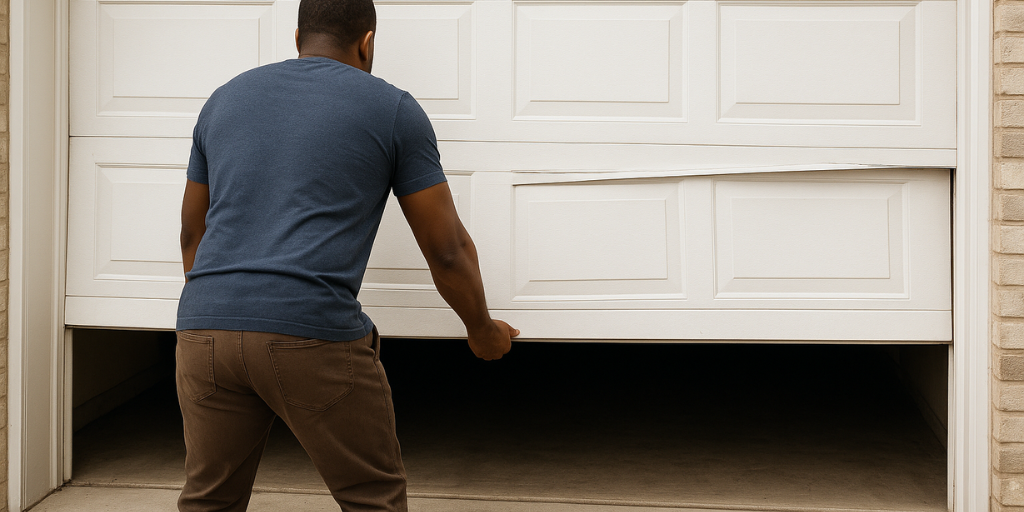
Okay, so when it comes to garage door springs, you’ve basically got two main types: torsion springs and extension springs. They both do the same job – help lift that heavy door – but they do it in totally different ways. Torsion springs are mounted above the door and twist to create force, while extension springs stretch along the sides of the door. It’s like the difference between winding up a rubber band and pulling it longer. Extension springs are the older tech, and torsion springs are the newer, generally better option.
So, why are torsion springs often considered the better choice? Well, for starters, they tend to last longer. Here’s a few reasons:
A lot of people switch from extension springs to torsion springs because they end up saving money in the long run. Sure, the initial cost might be a bit higher, but you’ll have fewer repairs and a smoother-operating door. Plus, it puts less strain on the opener, which can extend its life too.
Extension springs, while cheaper to install initially, can have some drawbacks. One big issue is safety. Because they stretch, if one breaks, it can snap and become a dangerous projectile. They also tend to be noisier and can cause jerky door movements. Plus, they wear out faster than torsion springs, meaning you’ll be replacing them more often. It’s pretty common for the end connections on extension springs to fail before the rest of the spring does. When one extension spring breaks, it’s usually recommended to replace both at the same time to keep the door balanced.
Okay, so you’ve got torsion springs. How do you know when they’re starting to go bad? Well, listen closely when your garage door operates. Any unusual noises, like squeaking or grinding, can be a red flag. Also, keep an eye out for visual cues. Are the springs looking rusty? Is there any visible damage, like gaps or breaks in the coils? These are all signs that your torsion springs might be on their way out. Another thing to watch for is the door’s movement. If it’s jerky, uneven, or struggling to open or close, that could also point to spring issues.
Keeping your torsion springs in good shape isn’t rocket science, but it does require some attention. Here’s what I do:
I’ve found that a little bit of preventative maintenance goes a long way. Spending a few minutes every few months can save you from bigger headaches (and expenses) down the road. Plus, it gives me peace of mind knowing that my garage door is operating safely.
Even with the best maintenance, torsion springs don’t last forever. The typical lifespan is around 5-7 years, but it can vary depending on how often you use your garage door. If you notice any of the signs of wear and tear mentioned earlier, it’s time to start thinking about replacement. Also, if one spring breaks, it’s generally recommended to replace both, even if the other one looks okay. This ensures balanced operation and prevents future problems. Don’t try to replace them yourself unless you really know what you’re doing. Torsion springs are under a lot of tension, and it can be dangerous. Call a professional for garage door repair costs.
Okay, so you’re thinking about saving some cash and fixing that garage door torsion spring yourself? I get it. But seriously, think twice. Torsion springs are under extreme tension, and if you don’t know exactly what you’re doing, you could end up seriously hurt. Like, hospital-visit hurt. It’s not like changing a lightbulb. These springs can snap, and when they do, they release all that stored energy in a split second.
I once tried to fix a leaky faucet myself, and ended up flooding the entire bathroom. It’s kind of the same principle here – sometimes, it’s just better to call a professional. Trust me on this one.
Seriously, leave this one to the pros. Professional installation isn’t just about convenience; it’s about safety. These guys have the right tools, the right training, and the right experience to handle these springs safely and correctly. They know how to properly wind the springs, secure them, and test the door to make sure everything is working as it should. Plus, they can spot other potential problems you might miss. Getting it done right the first time can save you a lot of headaches (and hospital bills) down the road. If you are looking for garage door repair, make sure they are certified.
Modern garage door systems actually come with a few safety features designed to minimize the risks associated with torsion springs. These features don’t make it safe to DIY, but they do add an extra layer of protection. For example:
These features are great, but they’re not foolproof. Don’t rely on them as a substitute for professional installation and maintenance. They’re more like a seatbelt – good to have, but you still need to drive carefully.
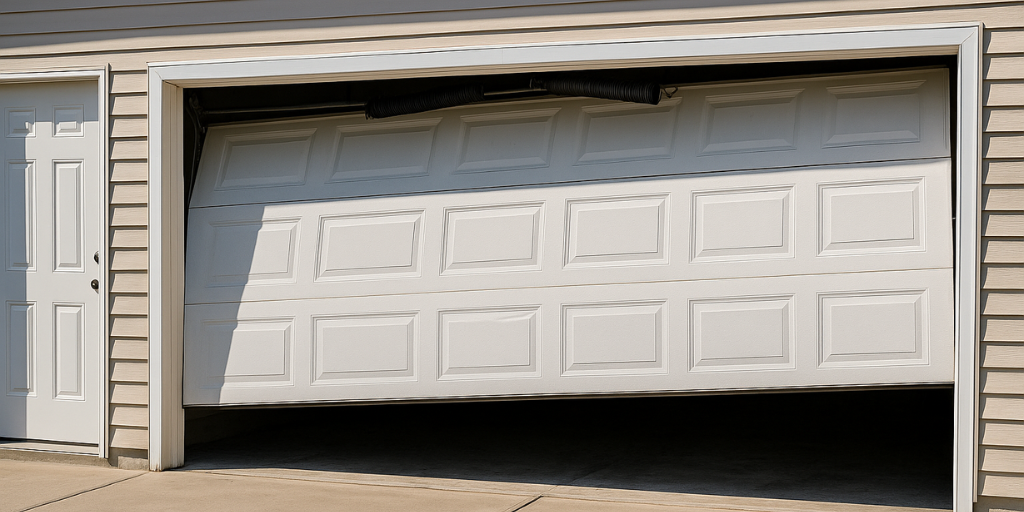
Switching from an extension spring system to a torsion spring system is a significant upgrade for many garage owners. Extension springs, while common, have some drawbacks compared to torsion springs. One of the biggest reasons people consider converting is the improved safety. Extension springs stretch and store energy by elongation, and if they break, they can snap violently, posing a risk of injury. Torsion springs, on the other hand, are mounted on a tube and store energy through twisting, making them generally safer. Another reason is the smoother operation. Torsion springs provide a more balanced and controlled lifting action, reducing strain on the garage door opener and the door itself.
Converting to a torsion spring system involves several steps and is best left to professionals. First, the existing extension springs and related hardware are removed. Next, a torsion tube is installed above the garage door opening, along with bearing plates and cable drums. The correct torsion springs are then selected based on the door’s weight and size. These springs are wound to the appropriate tension and secured to the torsion tube. Finally, the cables are attached to the drums and the bottom brackets of the door, ensuring proper alignment and tension. The entire system is then tested and adjusted for smooth and safe operation. It’s a complex process that requires specialized tools and knowledge to ensure everything is installed correctly and safely.
Converting to a torsion spring system does involve an upfront cost, which is typically higher than simply replacing extension springs. The cost includes the new torsion springs, torsion tube, bearing plates, cable drums, cables, and the labor for installation. However, the long-term benefits often outweigh the initial expense. Torsion springs generally last longer than extension springs, reducing the frequency of replacements. They also provide a smoother and more balanced operation, which can extend the lifespan of your garage door opener. Furthermore, the increased safety and reliability of a torsion spring system offer peace of mind. While the initial investment may be higher, the reduced maintenance costs, improved safety, and enhanced performance make it a worthwhile upgrade for many homeowners. Plus, you’ll benefit from a much faster, quieter, and smoother operating garage door. Consider getting a quote for conversion to see if it makes sense for you.
Upgrading to a torsion spring system can significantly improve the safety and performance of your garage door. While the initial cost may be higher, the long-term benefits, such as increased durability and smoother operation, make it a worthwhile investment for many homeowners.
Here’s a quick comparison of the costs:
| Feature | Extension Springs | Torsion Springs |
| Initial Cost | Lower | Higher |
| Lifespan | Shorter | Longer |
| Maintenance Costs | Higher | Lower |
| Safety | Lower | Higher |
| Operational Smoothness | Lower | Higher |
So, there you have it! Garage door torsion springs are pretty essential for making sure your door opens and closes smoothly. They do all the heavy lifting, literally, by balancing the weight of the door. If your springs are in good shape, your garage door will work better and last longer. But remember, these springs can wear out over time, so keep an eye on them. If you notice any issues, it might be time to call in a pro. Overall, understanding how these springs work can save you some headaches down the road.
A garage door torsion spring is a type of spring that helps lift and lower your garage door. It is usually mounted above the door and works by twisting to store energy when the door is closed.
Torsion springs work by winding and unwinding as the garage door opens and closes. When the door is closed, the spring tightens, and when the door opens, the spring unwinds, providing the lift needed to move the door.
Torsion springs are known for their durability and efficiency. They provide smoother operation, reduce stress on the garage door opener, and can last longer than other types of springs.
Torsion springs are mounted above the door and twist to lift it, while extension springs are located on the sides and stretch to lift the door. Torsion springs usually last longer and are more efficient.
Signs that your torsion spring may need maintenance include unusual noises when opening or closing the door, difficulty in lifting the door, or visible wear and tear on the spring itself.
Replacing a torsion spring can be dangerous due to the high tension in the spring. It is best to hire a professional to ensure the job is done safely and correctly.

Must be registered to view calendar slots and book delivery.
***Select the nearest delivery hub. If requesting a custom delivery, enter the full address in the comments. A $2.85/mi fee from the selected hub will apply and is collected at time of service.